
Community
Electric scooter rider fatally struck by car on Far North Side
By Mark Thompson
Advertisement · Why this ad?
Luis Martinez has been a voice in the Naperville community for over 7 years, focusing on local events and community initiatives. With a background in sociology from Illinois State University, he combines his academic insights with his passion for local activism.
More from Luis →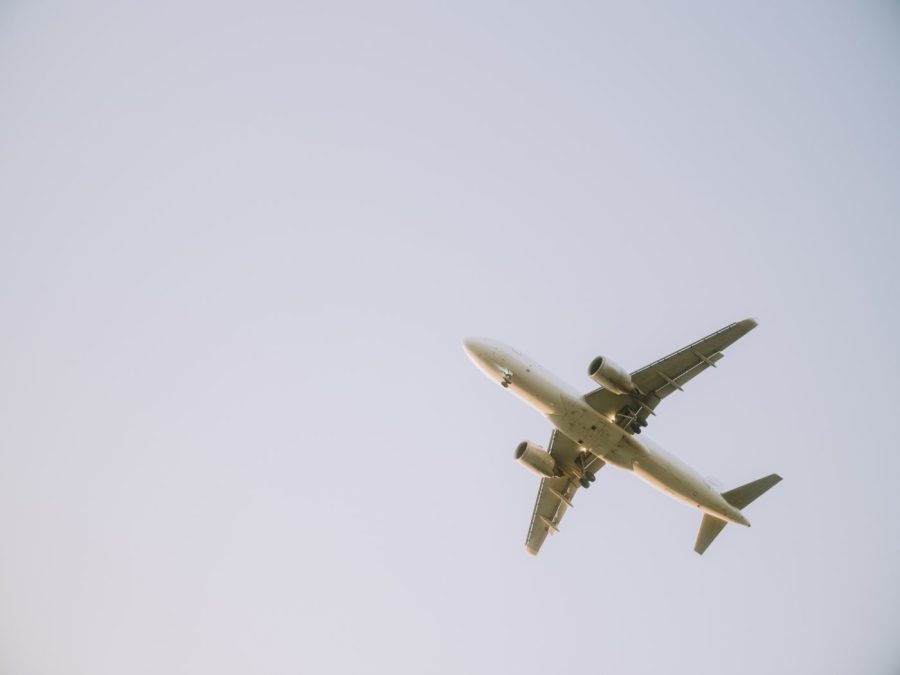
The skies over Europe, a symbol of connection and progress, have been disrupted this week by a series of unsettling incidents, leaving travelers and officials on edge. It began with a wave of bomb threats targeting flights across the continent, escalating Friday with new threats in Denmark, the Czech Republic, and Romania, following a week of similar hoaxes that have caused flight diversions and heightened security measures. While no dangerous items have been found and thankfully no one has been injured, these events underscore a growing sense of vulnerability and raise questions about the motivations behind these disruptive actions.
The latest series of threats arrived Friday, adding to a week of escalating incidents impacting air travel across Europe. French Prime Minister Sebastien Lecornu’s office reported “four new bomb threats were made today against aircraft flying over French territory,” prompting the safe landing of the planes and inspection by bomb disposal experts. In Denmark, police in Copenhagen responded for the second consecutive day to “threats directed at air traffic,” taking precautionary measures that ultimately confirmed no danger to passengers or airport operations. Similarly, Czech police reported investigating threats against planes at Prague’s Vaclav Havel Airport, minimizing any impact on normal flight schedules. A flight from Prague to Bucharest operated by Romanian carrier Tarom received a bomb threat, but landed safely, and authorities deemed the threat false. In Portugal, a Ryanair flight from Lisbon to Rome was targeted with a bomb threat, leading to additional security screening for passengers and luggage. A WizzAir flight from Prague to Rome was diverted to Venice, where passengers were evacuated and security checks were conducted—all yielding negative results.
The ripple effect extended beyond direct flight disruptions. Earlier in the week, more than two dozen flights were affected by similar threats, leading to diversions and increased scrutiny. Airport spokesperson Denisa Hejtmánková confirmed that a total of nine flights were threatened, originating from or destined for Denmark, Spain, Britain, the Netherlands, Cyprus, Romania, Italy and Britain. This pattern of threats has prompted a serious reevaluation of security protocols and a search for those responsible. The Irish state broadcaster RTE was also evacuated Friday after a bomb threat, leading to the replacement of live broadcasts with pre-recorded programs. Irish Prime Minister Micheál Martin noted that the threats “just illustrate how relatively simple it can be to cause disruption and to undermine the normal operation of society through unconventional activities of this kind, which are designed to cause fear and anxiety.”
These incidents occur against a backdrop of increased geopolitical tensions and warnings from authorities that Russia may be ramping up so-called hybrid threats in Europe. While authorities have not attributed the threats to any group or state actor, and no evidence has emerged linking the hoaxes to a government, the timing is concerning. An email containing the threat sent Thursday to airport authorities in Rome and reviewed by The Associated Press purported to come from a group describing itself as anti-feminist and claiming it was targeting a “feminist regime.” Another European airport received a threat with similar wording, but it was unclear if it came from the same sender. The use of civil aviation for disruption raises serious concerns about the potential for future attacks.
The threats have also taken a toll on aviation professionals. Paul Reuter, vice president of the European Cockpit Association, highlighted that pilots and cabin crews routinely review procedures to respond to such situations. They identify potential diversion airports and may even carry extra fuel as a precautionary measure. Reuter emphatically stated that the use of civil aviation for geopolitical disruption or hoaxes is “totally unacceptable.” He noted that “bomb threats are on pilots’ minds and create unnecessary tension,” underscoring the commitment of aviation personnel to ensuring passenger safety, even in the face of adversity.
The news has understandably caused anxiety among residents across Europe, including here in Naperville. While the threats have not directly impacted flights originating from our local airport, the global nature of air travel means that these events resonate with everyone who relies on it for business or personal connections. The disruption to travel plans and the increased security measures are a reminder of the fragility of our interconnected world and the potential for malicious actors to exploit vulnerabilities. Irish Prime Minister Micheál Martin emphasized that a “very significant security operation” will be in place next week when Dublin hosts meetings of the European Political Community and European Union leaders.
Authorities across Europe are working diligently to identify those responsible for these threats. Interpol is assisting in the investigation. Interpol, Europol, and local law enforcement agencies are sharing information and coordinating efforts to prevent future incidents. The heightened security measures at airports and aviation facilities are expected to continue for the foreseeable future, as officials strive to balance passenger safety with the need to maintain efficient air travel operations. Travelers concerned about air travel safety can find information and advisories from the Transportation Security Administration (TSA) and the Federal Aviation Administration (FAA).
These recent events serve as a stark reminder that our sense of security is not guaranteed. While the immediate danger appears to be hoaxes, the underlying issue—the willingness of individuals or groups to disrupt vital infrastructure and sow fear—is deeply concerning. The fact that these threats are being used to target aviation, a cornerstone of global connectivity and commerce, is especially troubling. It highlights the potential for malicious actors to exploit vulnerabilities in our interconnected world, and it underscores the importance of strong families and communities built on faith and commitment – the very bedrock of a stable society.
It’s easy to become desensitized to news of international incidents, but we must not lose sight of the human cost of these disruptions. Families are separated, businesses are impacted, and a sense of unease permeates our daily lives. As residents of Naperville, we can take solace in the fact that our community is known for its resilience and its commitment to safety. But we must also remain vigilant, supporting our local law enforcement and being mindful of the potential for disruption in our own lives. Strong marriages and families provide a foundation for resilience in times of crisis, and we should actively support those institutions that promote stability and connection.
For travelers concerned about air travel safety, the following resources are available: Transportation Security Administration (TSA) provides information on airport security procedures and travel advisories. Federal Aviation Administration (FAA) offers details on aviation safety regulations and incident reporting. Local law enforcement agencies, such as the Naperville Police Department, are available to address community concerns and provide information on safety measures.
The ongoing investigation is being led by European authorities, and updates will be shared as they become available. Residents are encouraged to stay informed and report any suspicious activity to local authorities. The events of this week serve as a call to action—a reminder that we must all be proactive in safeguarding our communities and preserving the values that underpin a free and secure society. Let us stand together, united in our commitment to safety, stability, and the pursuit of a brighter future for all.
By Mark Thompson

By Keisha Patel

By Keisha Patel

By Keisha Patel