Community
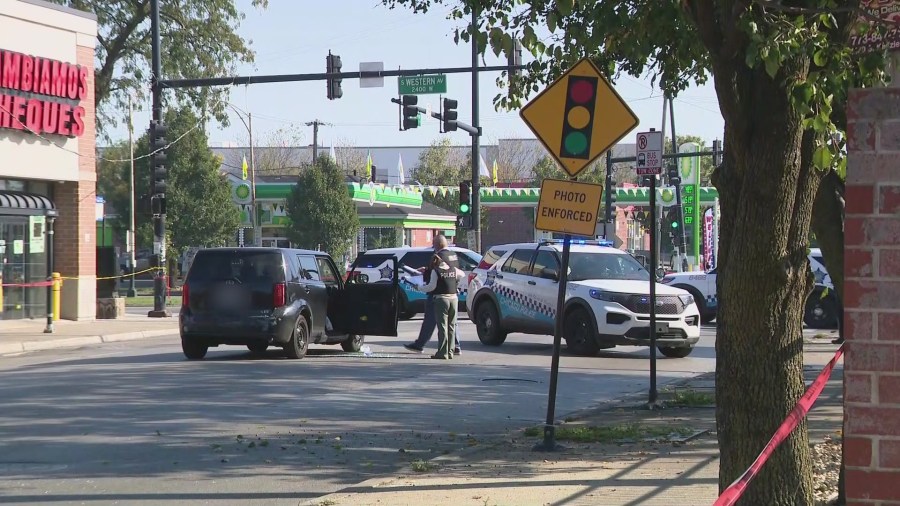
Woman dies 2 weeks after apparent road rage shooting in Brighton Park
By Mark Thompson
Advertisement · Why this ad?
Keisha Patel, a former athlete and graduate of the University of Chicago, has spent the last seven years covering local high school and college sports. Her passion for sports shines through her articles, encouraging community support for local teams.
More from Keisha →
On a quiet summer evening in August 2023, the neighborhood of Portage Park was shattered by a tragic act of violence that stole the innocence of a 9-year-old girl. As families gathered for a peaceful night, gunfire erupted unexpectedly, leaving a community in grief and disbelief. The aftermath of that devastating event has now reached a somber milestone, with justice finally taking its course.
In the early hours of August 15, 2023, a gunman opened fire in the heart of Portage Park, a vibrant community known for its family-friendly atmosphere and close-knit residents. Among the chaos, nine-year-old Emily Carter was struck by a stray bullet, her life cut tragically short. The shooting was reportedly the result of an ongoing dispute that escalated into gunfire, leaving the neighborhood reeling from the senseless loss.
Authorities swiftly responded to the scene, and an investigation was launched that would span months. Evidence pointed to a Chicago man, identified as Marcus Johnson, 35, who was later charged with multiple felonies, including manslaughter and unlawful use of a firearm. Johnson’s connection to the incident was confirmed through surveillance footage and ballistic analysis, which linked his weapon to the deadly shot.
The community’s response was immediate and heartfelt. Local residents organized vigils, memorials, and calls for increased safety measures. Emily’s parents, devastated yet resilient, shared their grief publicly, emphasizing the importance of faith and family in overcoming tragedy. The incident reignited discussions about gun violence in Chicago and the urgent need for community-led solutions to protect children and families.
After pleading guilty to manslaughter in a plea agreement, Marcus Johnson faced a sentencing hearing that drew widespread attention. On September 20, 2023, Cook County Judge Maria Lopez sentenced Johnson to 40 years in prison — a decision that reflects the gravity of the crime and the community’s demand for justice. The sentence also underscores the ongoing battle against gun violence that continues to threaten neighborhoods across Chicago.
During the hearing, Johnson expressed remorse, but the judge emphasized the irreversible harm caused by his actions. Prosecutors highlighted the tragedy of a young life lost and called for accountability, while Emily’s family expressed a mixture of grief and hope for healing through faith and community support. This case serves as a stark reminder of the importance of responsible gun ownership and the devastating toll of violence on families.
The sentencing has sparked a renewed call for action within Chicago’s neighborhoods, where residents are determined to foster safer environments for children. Local faith leaders and community organizations have emphasized the importance of coming together in faith, prayer, and proactive efforts to reduce violence. Many see this tragedy as a wake-up call to invest more in youth programs, mental health resources, and community policing.
Emily’s story has touched hearts far beyond Portage Park, inspiring initiatives aimed at preventing future tragedies. Families are reminded of the vital role they play in nurturing a safe and loving home, where faith and strong marriages serve as foundations for resilience. The community’s collective voice insists that justice must be coupled with prevention, ensuring no other child suffers as Emily did.
Looking ahead, local officials are working on new safety measures, including increased patrols and community outreach programs, to rebuild trust and security. The tragic loss of Emily Carter has become a catalyst for change, reminding us all of the preciousness of life and the enduring power of faith and family in overcoming even the darkest moments.
As Chicago continues its fight against violence, stories like Emily’s remind us that behind every statistic is a human life, a family, and a community determined to heal and grow stronger. Faith, hope, and commitment are the cornerstones on which Portage Park and the city as a whole can build a safer future for all children.
Portage Park, nestled on Chicago’s Northwest Side, is a neighborhood historically known for its diverse population, strong community bonds, and family-oriented atmosphere. It boasts a mix of historic bungalow-style homes, new developments, and bustling local businesses. The neighborhood’s parks, including the eponymous Portage Park, serve as vital communal spaces where families gather for picnics, sports, and community events. The neighborhood’s demographic makeup reflects a tapestry of ethnicities, including Polish, Mexican, Filipino, and African American residents, contributing to a rich cultural fabric.
In recent years, Portage Park has seen a surge in development, with new restaurants, shops, and community centers opening to serve its growing population. Yet, like many Chicago neighborhoods, it faces challenges related to gun violence, economic disparities, and access to quality education. The tragic shooting of Emily Carter has shined a spotlight on these issues, prompting residents and local leaders to renew efforts to address root causes of violence and foster community resilience.
Marcus Johnson, the man sentenced in Emily’s case, is a lifelong resident of Chicago with a troubled past. Known in some circles for previous run-ins with the law, Johnson’s background underscores the complex social issues that many neighborhoods grapple with, including poverty, lack of access to mental health services, and systemic inequities. Community advocates have called for comprehensive approaches that go beyond punishment, emphasizing prevention and intervention programs aimed at at-risk youth.
Emily Carter’s family, originally from nearby neighborhoods, had recently moved into Portage Park for a fresh start. Her parents, both active members of their local church, have become outspoken advocates for gun safety and youth programs in the wake of her death. Their resilience has inspired many in the community, who see Emily’s story as a call to action.
The loss of Emily Carter is not just a headline; it’s a stark reminder of the vulnerabilities faced by children and families in Chicago’s neighborhoods. For Portage Park, the incident has deepened existing conversations about safety, community engagement, and social services. It has also prompted a reevaluation of how local institutions—schools, churches, community centers—can work together to create safer environments.
Many residents express a desire for tangible change—more neighborhood patrols, youth engagement initiatives, mental health support, and community-led policing efforts. The incident has also galvanized local faith groups and nonprofits to prioritize violence prevention and youth outreach programs, recognizing that lasting change requires collective effort.
In the immediate aftermath, city officials and community leaders are focusing on rebuilding trust and implementing preventive measures. The Chicago Police Department has increased patrols in Portage Park and is working with neighborhood organizations to enhance community policing efforts. Local schools are also exploring additional safety protocols and youth engagement activities to keep children safe during after-school hours.
Additionally, community organizations like the Portage Park Neighborhood Association are planning town hall meetings to discuss safety concerns and gather input from residents. These forums aim to foster dialogue, share resources, and develop collaborative strategies to reduce violence. The city is also exploring grants and funding opportunities to expand youth programs and mental health services, recognizing that prevention is key to breaking cycles of violence.
On a broader scale, Chicago’s Mayor and city officials have reiterated their commitment to tackling gun violence through legislation, community engagement, and support for local nonprofits. The tragedy of Emily Carter has become a rallying point for advocating comprehensive reforms aimed at making Chicago safer for all children.
As the community moves forward, there is hope that Emily’s legacy will inspire sustained efforts to address the systemic issues underlying violence. Her story has already sparked a wave of activism, and many believe it will continue to motivate change for years to come. The neighborhood’s resilience, combined with strategic initiatives, offers a path toward healing and hope, ensuring that Emily’s memory serves as a catalyst for positive transformation.
By Mark Thompson
By Mark Thompson

By Mark Thompson

By Luis Martinez